
Trees are a valuable part of a property, but it is not always easy to tell whether a tree is healthy, damaged, or becoming a safety concern. A full canopy can hide internal decay, weak branch attachments, root problems, or storm damage. On the other hand, a tree that looks rough may still be healthy enough to save with the right care.
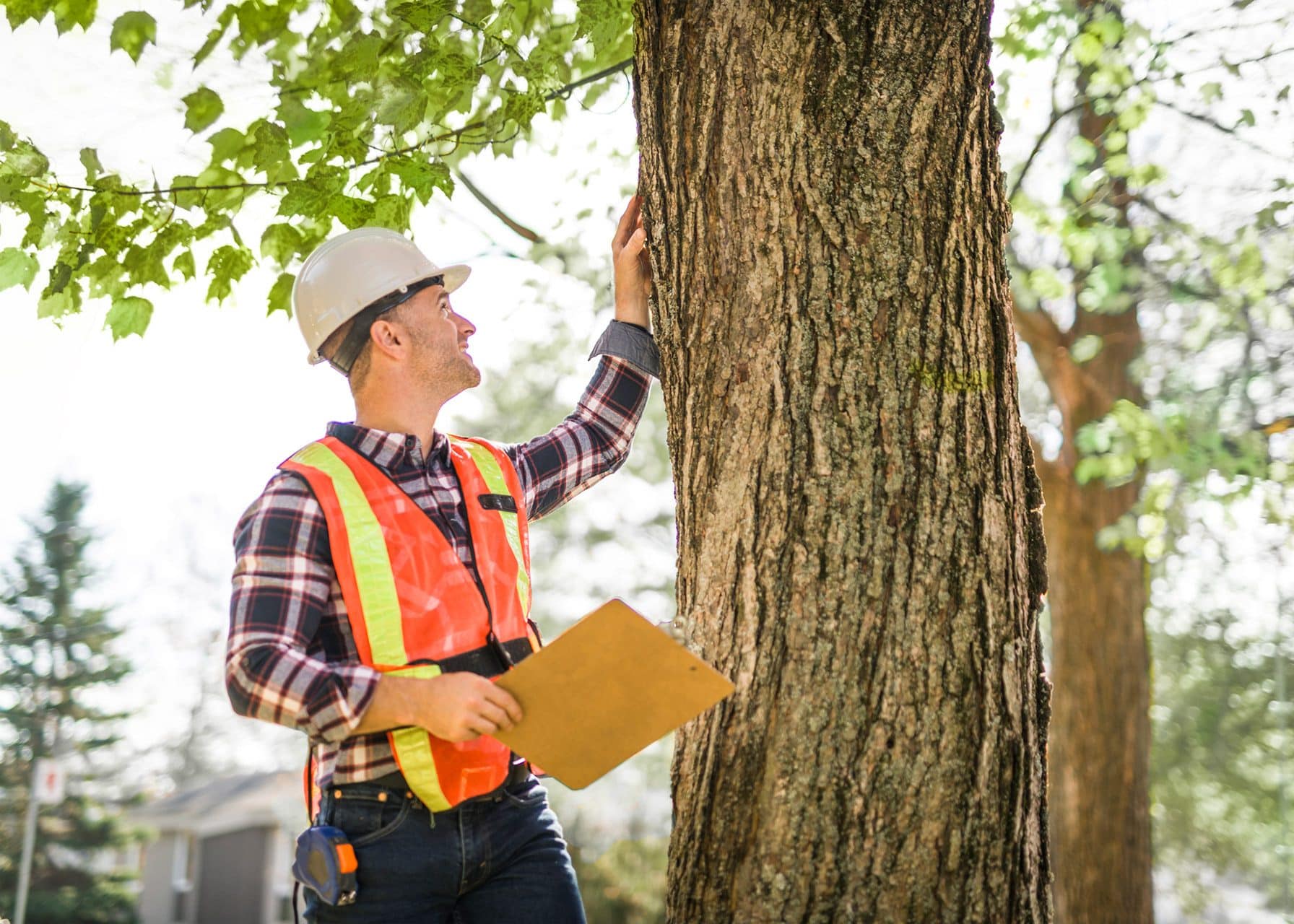
An arborist report gives property owners a clearer understanding of what is happening and what should be done next. Instead of relying on appearances or guesswork, you receive a professional evaluation from someone trained to assess tree health, structure, and risk.
What Does an Arborist Report Include?
An arborist report is a written document based on a professional tree inspection. The exact details may vary depending on the property and reason for the evaluation, but a report may include:
- The tree’s species, approximate size, and location
- The condition of the trunk, canopy, branches, and visible roots
- Signs of disease, decay, pests, or structural weakness
- Potential hazards involving buildings, vehicles, or walkways
- Evidence of storm, construction, or root damage
- Recommended trimming, treatment, monitoring, or removal
- Photos or notes supporting the arborist’s findings
The goal is to provide useful information in a format that is easier to understand and act on. A detailed report can also help create a record of the tree’s condition at the time of the inspection.
When Should You Request a Report?
There are several situations where an arborist report may be helpful. One of the most common is when a tree appears damaged or unsafe. A sudden lean, cracked trunk, hanging limb, thinning canopy, fungal growth, or exposed roots can all justify a closer look.
Reports may also be useful before buying or selling a property. Mature trees can be a major benefit, but they may also require trimming, treatment, or removal. Understanding their condition can help buyers and property owners plan for future maintenance.
Construction and landscaping projects are another good reason to schedule an inspection. Grading, trenching, driveway work, additions, and heavy equipment can damage roots or compact the surrounding soil. An arborist can identify vulnerable trees and recommend ways to reduce unnecessary harm.
Commercial property owners, community associations, and property managers may also use reports to document concerns, prioritize tree work, and support maintenance decisions across larger properties.
Is a Report the Same as an Estimate?
An arborist report and a service estimate serve different purposes. An estimate usually outlines the cost of performing specific work. An arborist report focuses on the condition of the tree, the risks involved, and the professional recommendations resulting from the inspection.
That distinction matters when the right solution is not obvious. A tree may only need selective pruning and continued monitoring. Another tree may have extensive decay that makes removal the safest option. A professional assessment helps ensure the recommendation is based on the tree’s actual condition rather than assumptions.
Why Early Inspections Matter
Tree problems are often easier to manage when they are found early. Selective pruning may reduce stress or remove hazardous limbs before they fall. Monitoring may reveal whether a condition is improving or getting worse.
Early action can also give property owners more time to plan for larger work instead of facing an emergency after a storm.
Schedule a Professional Tree Inspection
A Cut Above Tree & Landscape provides professional tree inspections and detailed reports from certified arborists for residential and commercial properties throughout Central Florida. Our team evaluates tree health, structure, root conditions, and possible hazards before recommending the next step.
Contact A Cut Above Tree & Landscape to schedule an inspection and get clear, professional answers about the trees on your property.


