
Unhealthy trees can experience stress, disease, pest activity, structural damage, and environmental problems without immediately dying. In many cases, changes in the leaves, branches, bark, trunk, roots, or overall canopy can provide early indications that something is wrong.
Recognizing these warning signs can help property owners seek professional tree care before a problem becomes more severe. This can be particularly important in Central Florida, where heat, heavy rain, storms, insects, and disease can all affect tree health.
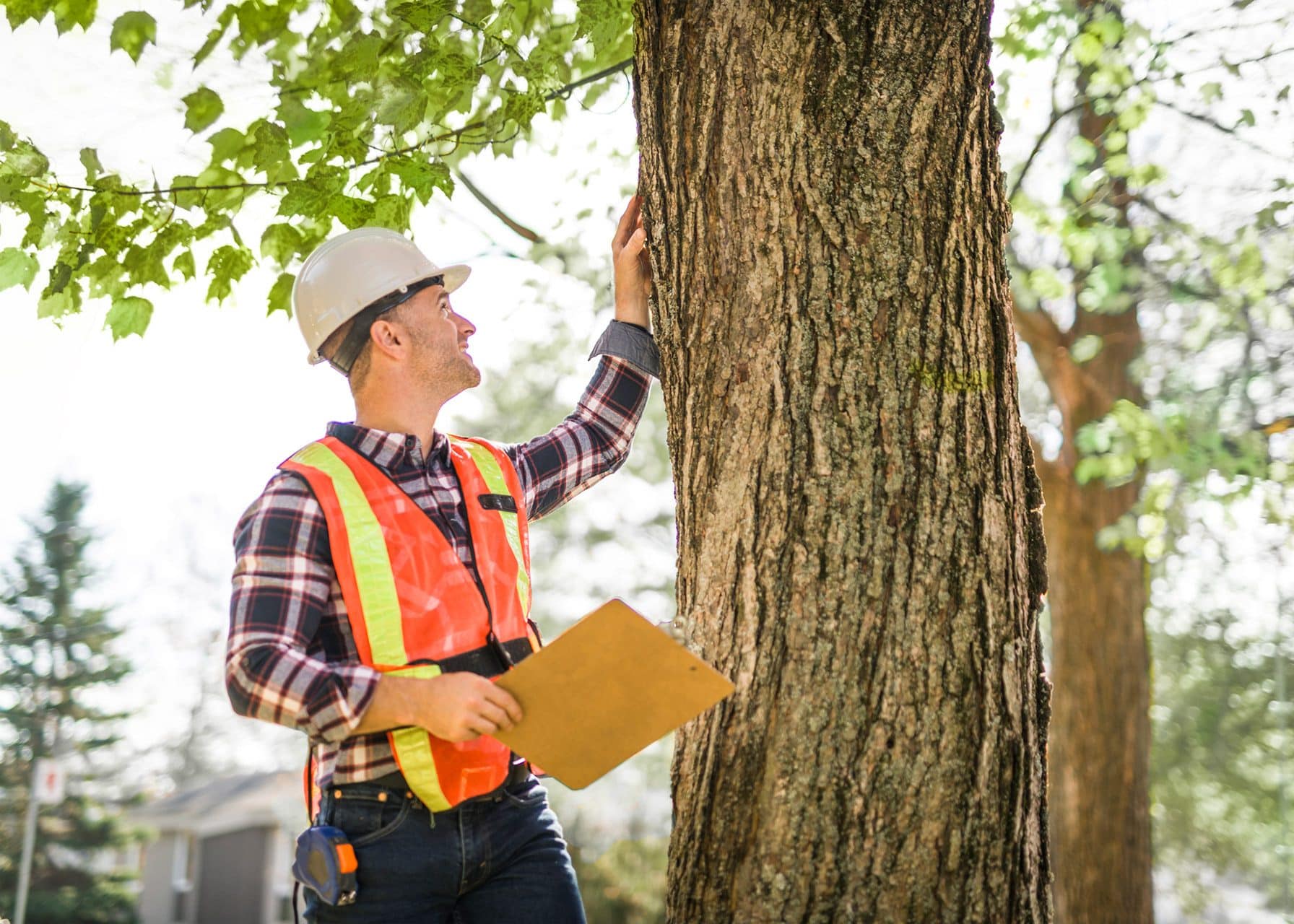
At A Cut Above Tree & Landscape, our team evaluates trees to identify potential health and structural concerns and determine what type of care may be appropriate.
TL;DR: Unhealthy Tree Signs
- Dead or declining branches can indicate tree stress or damage.
- Changes in leaves may be connected to disease, pests, water, or nutrient problems.
- Cracks and cavities can indicate structural concerns.
- Fungal growth may be associated with decaying wood or root problems.
- Root damage can affect both tree health and stability.
- Early professional evaluation can help determine the underlying cause.
What Does a Thinning Tree Canopy Mean?
A healthy canopy generally contains foliage appropriate for the tree’s species and growing conditions. When leaves become noticeably sparse or sections of the canopy begin dying back, the tree may be experiencing stress.
Possible causes include drought, excessive moisture, root damage, pests, disease, nutrient problems, or previous physical damage.
Canopy thinning alone does not identify the cause, which is why examining the rest of the tree and its surroundings is important.
Are Dead Branches a Sign of an Unhealthy Tree?
A few dead branches do not necessarily mean an entire tree is unhealthy. However, increasing amounts of deadwood or dieback affecting large sections of the canopy may indicate a larger problem.
Dead branches can result from disease, pests, storm damage, shading, root problems, or environmental stress.
They can also create safety concerns when located over homes, vehicles, sidewalks, or other frequently occupied areas.
What Do Cracks or Cavities in a Tree Mean?
Cracks, cavities, and areas of missing or damaged bark deserve attention, particularly when they affect major branches or the trunk.
Some trees can continue growing for many years with cavities or previous injuries. However, extensive internal decay or significant cracking can affect structural strength.
A professional tree inspection can help determine the extent of the defect and whether pruning, monitoring, treatment, or tree removal should be considered.
Does Fungus Mean a Tree Is Dying?
Not necessarily. Fungal growth can occur for different reasons, and identifying the type and location is important.
Mushrooms or conks growing from the trunk, major roots, or base of a tree can sometimes be associated with decaying wood. Other fungal diseases may affect leaves, twigs, or branches.
Because fungal symptoms can resemble other tree problems, proper identification is important before deciding what action to take.
How Can Root Problems Affect Tree Health?
Root problems can affect a tree’s ability to absorb water and nutrients while potentially compromising its stability.
Construction activity, excavation, soil compaction, excessive water, root cutting, and changes in soil grade can damage roots. Because roots are primarily underground, the first noticeable symptoms may appear in the canopy.
Declining foliage, reduced growth, exposed or damaged roots, or sudden changes in the tree’s position can warrant further evaluation.
When Should You Call a Certified Arborist?
If a tree develops significant canopy thinning, widespread deadwood, unusual fungal growth, cracks, cavities, damaged roots, or sudden leaning, having it professionally inspected can help determine the cause.
A Certified Arborist can evaluate the entire tree rather than focusing on a single symptom. Species, age, structure, environmental conditions, previous damage, and surrounding property can all influence the appropriate recommendation.
Why Choose A Cut Above Tree & Landscape?
Since 1987, A Cut Above Tree & Landscape has helped property owners throughout Central Florida care for their trees. Our experienced team provides professional tree inspections, pruning, removal, root management, storm-related services, and other tree care based on the condition and needs of each property.
Recognizing tree problems early can provide more opportunities to protect tree health, address safety concerns, and determine whether a tree can be preserved. Contact us today to get started.
Frequently Asked Questions
Why are the leaves on my tree turning yellow or brown?
Leaf discoloration can result from several causes, including water stress, nutrient deficiencies, root problems, pests, disease, or environmental conditions. The pattern and location of discoloration can provide clues, but additional evaluation may be necessary.
Can an unhealthy tree recover?
Some stressed or unhealthy trees can recover when the underlying problem is identified and appropriate care is provided. Recovery depends on the tree species, severity of the problem, structural condition, and how far the decline has progressed.
Does an unhealthy tree always need to be removed?
No. Tree removal is not automatically necessary when a health problem is discovered. Depending on the cause and severity, pruning, monitoring, correcting environmental conditions, or other professional tree care may be appropriate. Removal is generally considered when the tree cannot reasonably be preserved or presents an unacceptable safety concern.


