

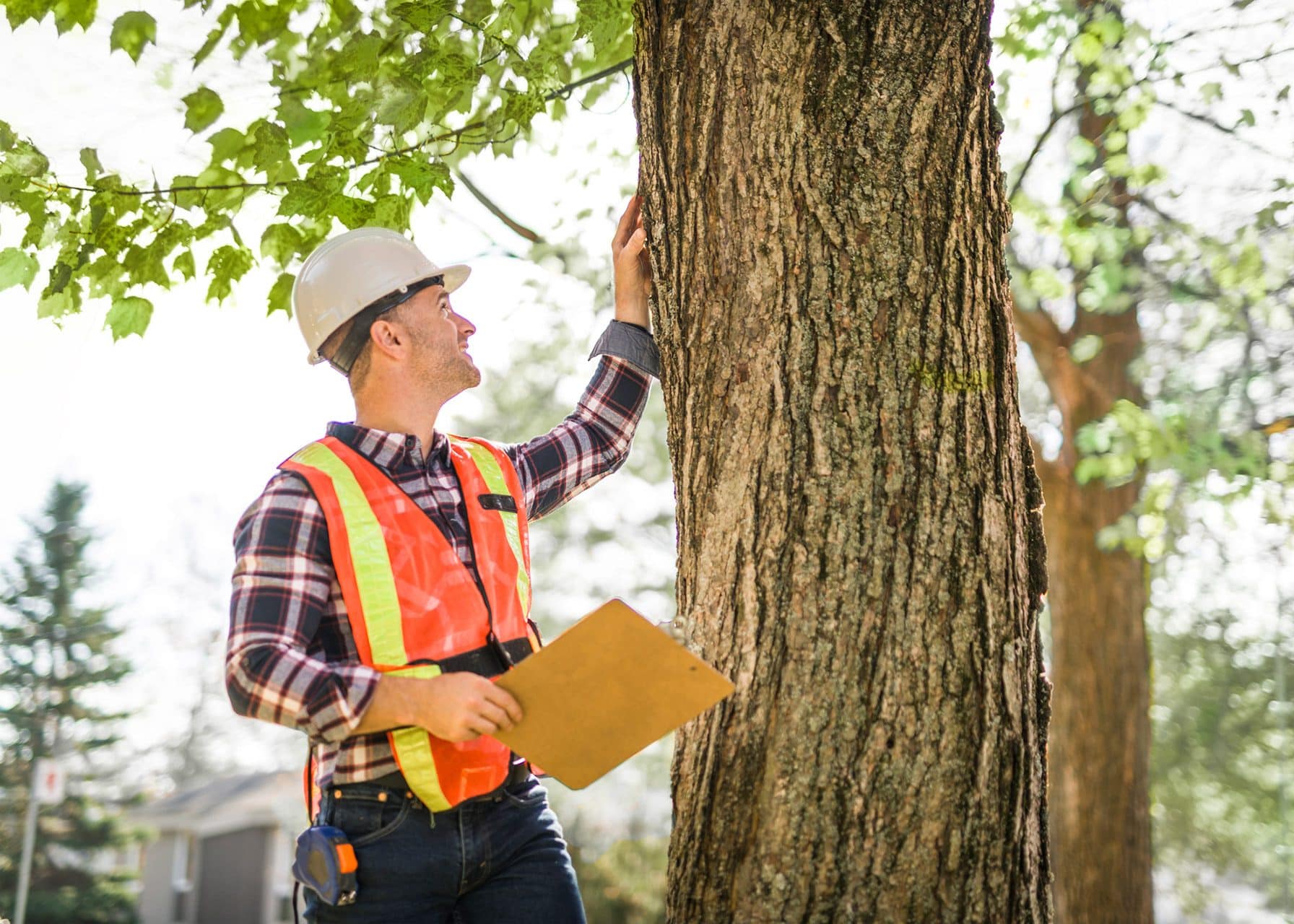
April is one of the most important months of the year for tree care. As temperatures rise and trees begin to leaf out, winter damage becomes visible and hidden problems start to reveal themselves. What looked fine in February may tell a very different story once spring growth begins.
If you’ve been wondering whether your trees are safe or healthy, now is the ideal time to schedule a professional tree inspection.
Winter Damage Becomes Visible in Spring
Snow load, ice accumulation, freeze-thaw cycles, and high winds can all weaken trees during winter. But the full extent of that damage often isn’t noticeable until April.
As buds open and leaves begin to form, structural issues may show up as:
-
Dead or sparse canopy sections
-
Cracked or split limbs
-
Leaning trunks
-
Bark separation
-
Weak branch unions
Spring growth puts additional stress on trees. If a tree was already compromised over winter, new leaf weight and seasonal storms can increase the risk of failure.
An early-season inspection helps catch those issues before they turn into safety hazards.
Early Detection Prevents Bigger Problems
Tree health issues rarely happen overnight. Decay, disease, pest infestations, and root problems often develop slowly and silently.
By April, many early warning signs are easier to detect, including:
-
Fungal growth around the base
-
Soft or hollow sections in the trunk
-
Insect activity
-
Discoloration in emerging leaves
-
Signs of root instability
Catching these problems early allows for corrective action such as targeted pruning, treatment, or soil improvements — often avoiding the need for full removal later.
Proactive inspections save money and protect your landscape investment.
Hidden Risks Aren’t Always Obvious
From the ground, most homeowners can’t see structural weaknesses in the upper canopy or subtle root issues below the surface. Trees may appear healthy while internal decay or compromised root systems weaken stability.
A professional inspection evaluates:
-
Overall tree structure
-
Branch attachment strength
-
Root health and soil conditions
-
Signs of internal decay
-
Pest and disease presence
Identifying these hidden risks early helps reduce liability concerns and protect surrounding structures, vehicles, and walkways.
Prepare for Spring Storm Season
April also marks the beginning of increased wind and rain activity. Trees with structural weaknesses are more likely to fail during storms.
Scheduling a tree inspection now gives you time to address issues before severe weather arrives. Removing hazardous limbs or reinforcing weak areas significantly reduces the risk of property damage.
Preventative tree care is always safer and more cost-effective than emergency storm cleanup.
Science-Based Tree Inspections You Can Trust
A Cut Above Tree & Landscaping provides certified arborist inspections grounded in science and experience. Our team conducts thorough evaluations to assess structure, overall health, and hidden risks that aren’t visible at a glance.
They look for early signs of decay, disease, pest activity, root issues, and structural weaknesses — helping property owners make informed decisions about pruning, treatment, or removal.
It’s proactive, reliable tree care designed to prevent costly damage and reduce safety hazards.
Don’t Wait Until There’s a Problem
Spring is when your trees wake up — and when underlying issues come to light. Scheduling a tree inspection in April ensures your landscape is safe, stable, and set up for a strong growing season.
If you’re unsure about the condition of your trees, contact A Cut Above Tree & Landscaping today to schedule a professional tree inspection and protect your property with confidence.


