As winter fades and trees begin to wake up, early spring becomes one of the most important times of year for protecting tree health. March is when hidden problems start to surface. Fungal infections, pest damage, and structural weaknesses that developed over the winter can quickly worsen as temperatures rise and growth begins.
If you want strong, healthy trees throughout the year, early detection and prevention are key. Understanding what to look for now can save you from expensive removals, storm damage, or long-term decline later in the season.
Why Early Spring Is Critical for Tree Disease Prevention
During winter dormancy, many tree issues remain hidden. Once sap begins flowing and buds start forming, symptoms become easier to spot. At the same time, fungal spores and insects become active, which means disease can spread quickly if not addressed early.
Early spring inspections allow certified arborists to:
-
Identify disease before it spreads
-
Detect pest infestations before populations explode
-
Evaluate structural stability after winter storms
-
Recommend treatment plans while trees are still in early growth stages
Acting in March gives trees the best chance to recover and thrive during the growing season.
Common Signs of Tree Disease in Early Spring
Homeowners often overlook subtle warning signs. Here are some early indicators that your trees may need professional attention:
Delayed or Uneven Bud Break
If parts of your tree are leafing out while other sections remain bare, this may indicate internal stress, vascular disease, or winter damage.
Discolored or Wilted Leaves
Leaves that emerge yellow, spotted, curled, or unusually small can signal fungal infections or nutrient deficiencies.
Cracked or Peeling Bark
While some bark shedding is natural, deep cracks, sunken areas, or missing bark may indicate disease or decay beneath the surface.
Fungal Growth at the Base
Mushrooms or fungal conks near the trunk often point to internal rot, which can compromise structural integrity.
Dead Branches
Branches that snap easily or fail to bud may be suffering from disease, pest damage, or poor pruning practices from previous seasons.
Oozing or Sap Leaks
Unusual sap flow, especially dark or foul-smelling discharge, may be a sign of bacterial infection.
If you notice any of these signs, early intervention is essential.
Pests That Contribute to Tree Disease
Spring also marks the return of destructive insects. Borers, aphids, scale insects, and caterpillars can weaken trees and create entry points for disease. When pests feed on bark or leaves, they stress the tree and reduce its natural defense system.
Integrated monitoring and early treatment prevent minor infestations from turning into major structural problems later in the year.
The Role of Professional Tree Inspections
While visual checks are helpful, many tree diseases develop internally long before symptoms are obvious. That’s why professional inspection matters.
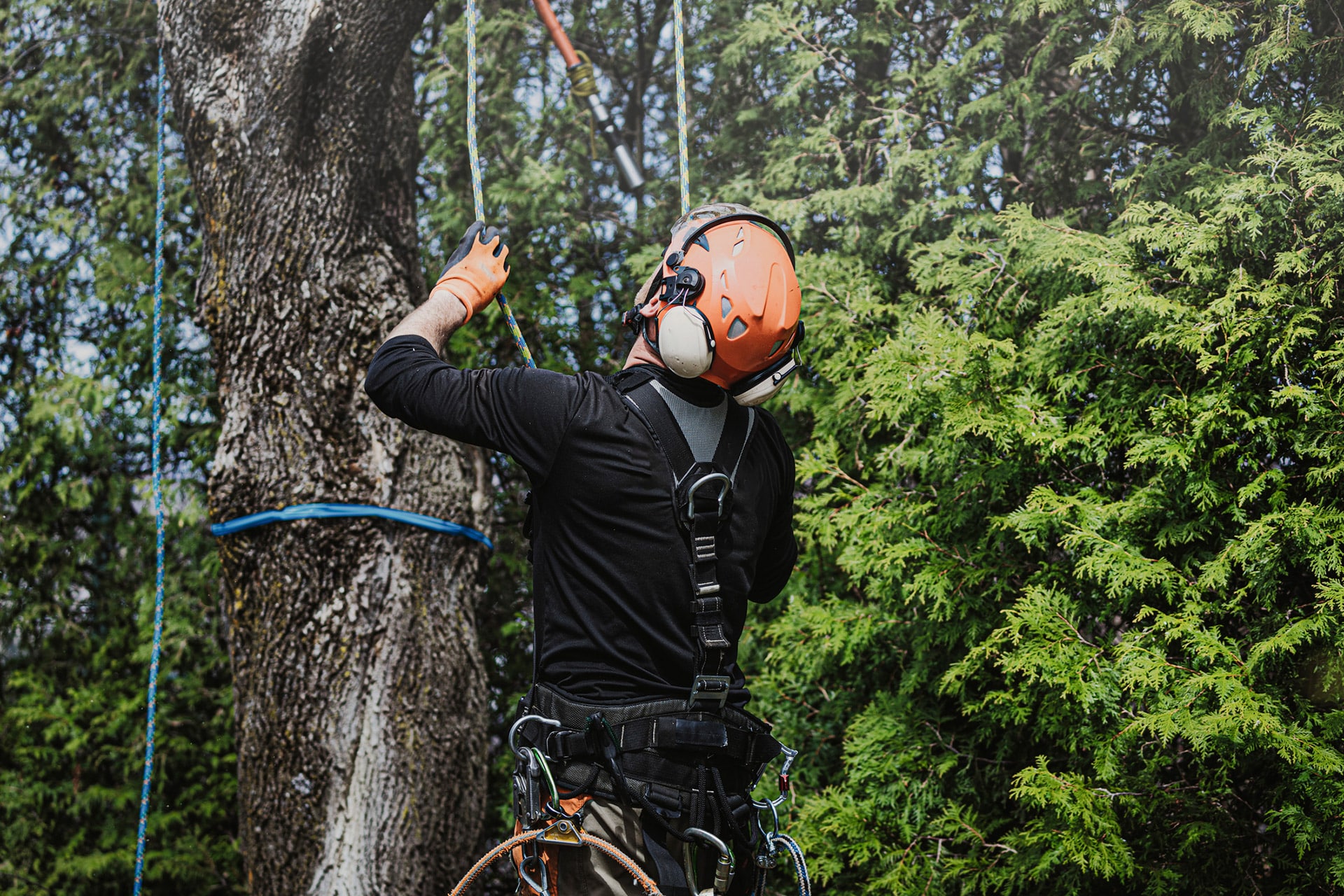
At A Cut Above Tree & Landscape, every inspection comes with a detailed, easy-to-understand report from a certified arborist. You receive clear answers, expert diagnosis, and zero surprises about your tree’s condition. We assess overall health, structural stability, pest activity, visible disease, and potential future risks.
Think of it like a doctor’s visit, but for your trees—thorough, honest, and focused on long-term health. Instead of guessing, you’ll know exactly what your trees need and why.
Preventive Steps Homeowners Can Take
While professional care is essential for serious issues, homeowners can also take proactive steps in early spring:
-
Remove fallen debris and leaves around the base of trees
-
Avoid overwatering as snow melts
-
Inspect mulch levels (keep mulch 2–3 inches deep and away from the trunk)
-
Watch for early insect activity
-
Avoid improper pruning
Preventive care reduces stress and strengthens your trees’ natural defenses.
Why Prevention Is More Affordable Than Removal
Tree removal is often the last resort when disease goes untreated. By identifying and managing issues early, you can extend the life of your trees and avoid costly emergency services.
Healthy trees also improve property value, increase curb appeal, and provide shade and storm protection. Investing in prevention protects not only your landscape but your home as well.
Protect Your Trees This Spring
Early spring is your window of opportunity. As trees transition out of dormancy, this is the best time to catch disease before it spreads and weakens your landscape.
If you’ve noticed anything unusual—or simply want peace of mind—schedule a professional tree health inspection with A Cut Above Tree & Landscape. Our certified arborists will evaluate your trees, provide a detailed report, and recommend a clear plan to keep them strong, stable, and thriving all season long.
Contact us today to schedule your spring tree inspection and protect your landscape before problems take root.


