Many property owners assume tree removal is best handled in the fall or winter. While dormant-season work certainly has advantages, waiting is not always the safest choice. In many situations, delaying removal increases risk, potential property damage, and overall costs. If a tree is dead, structurally compromised, or posing a hazard, acting sooner rather than later is often the right decision.
Late spring is when serious tree issues become more visible. As healthy trees fully leaf out, declining or hazardous ones stand out. Bare limbs, sparse foliage, peeling bark, fungal growth, or sudden leaning are all warning signs that shouldn’t be ignored. A tree that seems stable in May can quickly become dangerous once summer storms and high winds arrive.
The Risk of Waiting on Tree Removal
Dead trees continue to weaken over time. Wood becomes brittle, internal decay spreads, and root systems lose strength. What appears manageable now can turn into an emergency during the next thunderstorm.
Delaying removal can result in:
• Falling limbs
• Full tree failure
• Damage to roofs, siding, vehicles, or fences
• Utility line hazards
• Liability concerns
Proactive removal is often far less disruptive and more affordable than emergency storm cleanup.
Structural Issues Don’t Improve on Their Own
Cracks in the trunk, hollow sections, root damage, or heavy pest infestations won’t resolve themselves. As the growing season progresses, added leaf weight, saturated soil from rain, and rising temperatures place additional stress on already weakened trees.
If a tree is compromised in spring, waiting until fall may increase the risk of sudden failure.
Late Spring Can Be the Smart Time to Act
Late spring often provides ideal conditions for removal. Ground conditions are generally stable, access is manageable before summer landscaping fully matures, and potential hazards can be addressed before peak storm season.
At A Cut Above Tree & Landscaping, dead or hazardous trees are removed safely and efficiently with zero hassle. Certified arborists handle every step, from careful dismantling in tight spaces to large tree takedowns that require precision planning. With professional equipment and full insurance coverage, properties remain protected throughout the process.
Don’t Forget the Stump
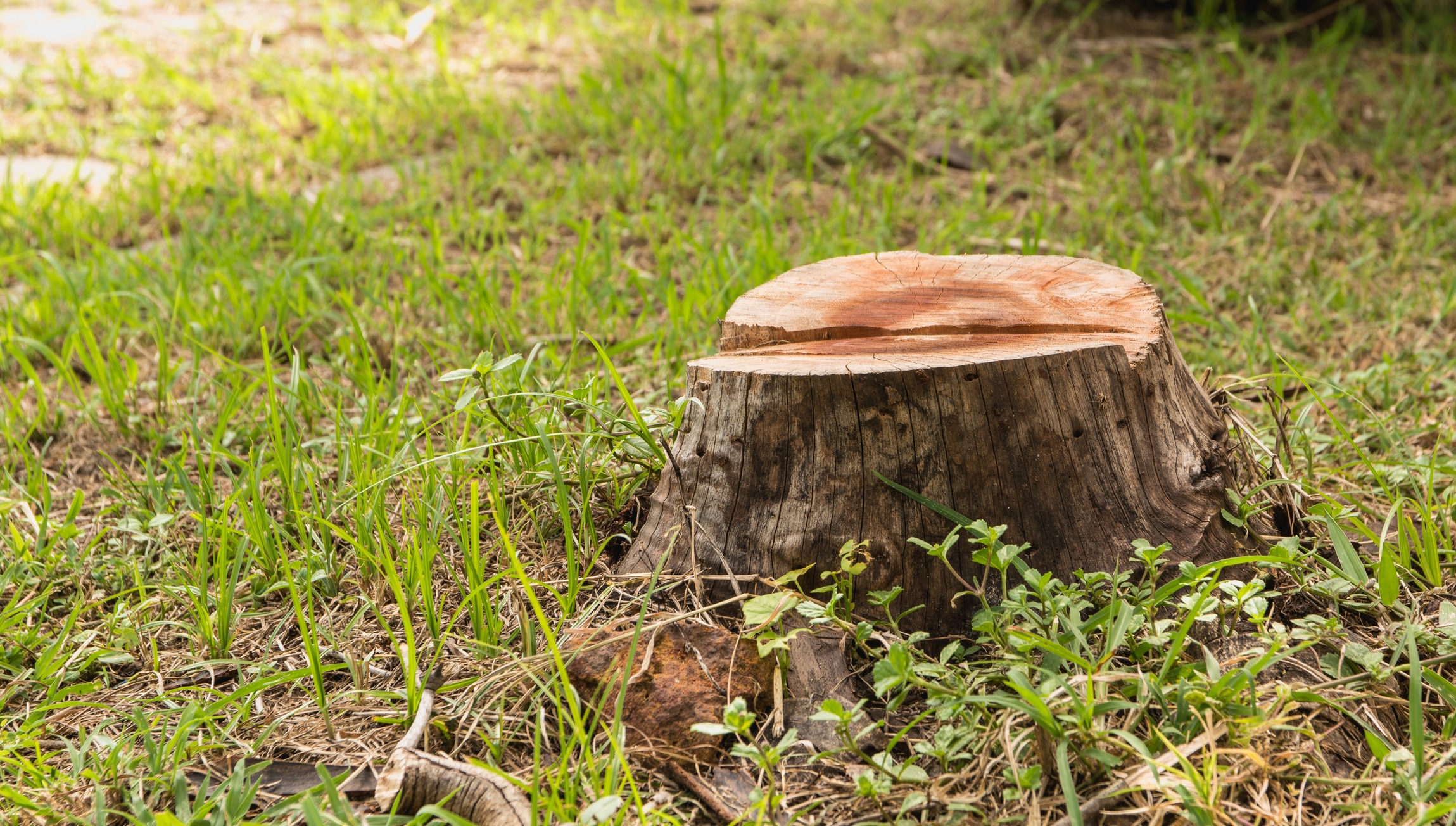
Tree removal doesn’t end at ground level. Leaving a stump behind creates tripping hazards, invites insects, and can lead to unwanted regrowth.
Full stump grinding:
• Eliminates safety concerns
• Prevents regrowth
• Reduces pest attraction
• Leaves the yard clean and ready for new landscaping
Complete removal ensures your outdoor space is usable and safe moving forward.
Professional Techniques Protect Your Property
Tree removal requires expertise. Limbs under tension, confined spaces near structures, and unstable trunks demand advanced techniques and specialized equipment. Proper planning prevents unnecessary damage and ensures the job is done right the first time.
Attempting removal without professional guidance can put both property and personal safety at risk.
Don’t Wait for a Storm to Make the Decision
If you notice significant lean, visible decay, large dead branches, fungal growth at the base, or exposed roots, it’s time for evaluation. Addressing a hazardous tree in May can prevent emergency calls in July.
Tree removal isn’t always something that can wait for fall. In many cases, acting in late spring is the responsible step that protects your home, your landscape, and your peace of mind.
If a tree on your property looks questionable, contact A Cut Above Tree & Landscaping to schedule a professional assessment and safe removal before summer weather puts additional stress on your landscape.


